3D Layered Floral Design: A Versatile Guide for Creative Projects
In the evolving landscape of creative arts and home customization, few trends have captured the imagination quite like 3D layered floral design. This artistic technique moves beyond flat imagery to create depth, texture, and visual interest that draws the eye. Whether you are a professional designer looking to expand your portfolio, a craft enthusiast seeking a new project, or a business owner aiming to offer unique products, understanding the mechanics and potential of layered designs is essential. This guide explores what makes this style so compelling, how to utilize it effectively, and the practical considerations involved in bringing these multi-dimensional flowers to life.
Understanding the Essence of Multi-Layered Artistry
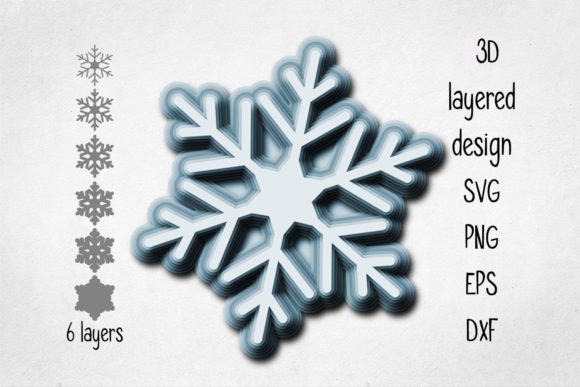
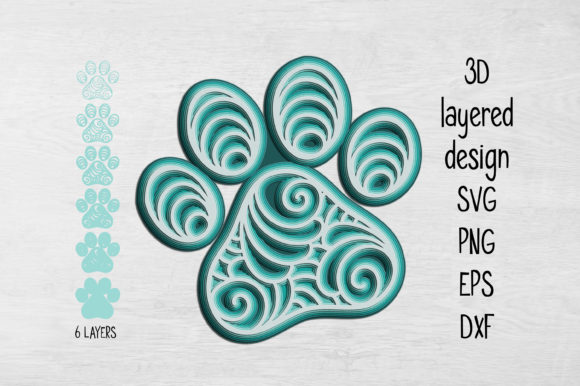
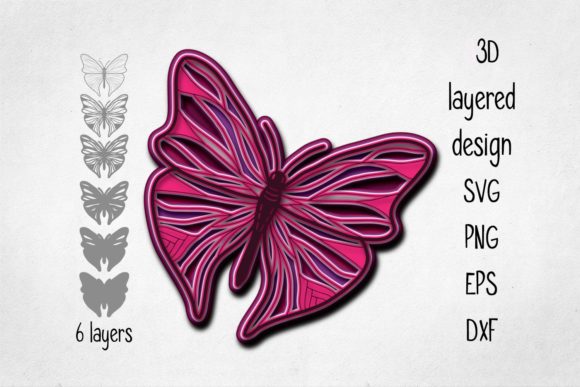
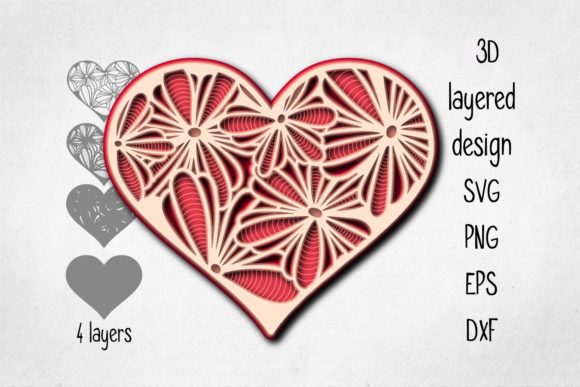
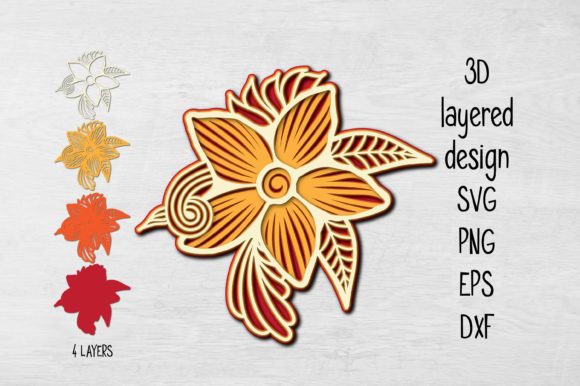
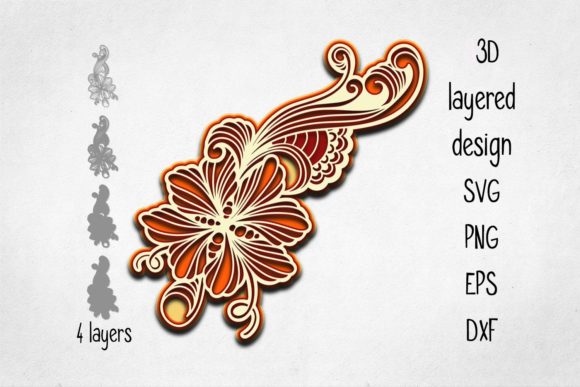
At its core, 3D layered floral design is about constructing an image through distinct, overlapping planes. Instead of printing a single flat picture, this method involves cutting multiple shapes—each representing a petal, leaf, or stem—that stack upon one another. The result is a sculpture-like effect where shadows and highlights naturally occur between the layers, creating a sense of realism and dimensionality that flat graphics simply cannot achieve.
The beauty of this approach lies in its modularity. You are not bound to use every component provided in a design file. In fact, the true creativity often emerges from customization. You might choose to utilize all the intricate layers to create a lush, full bloom, or you might select just two or three specific elements to form a minimalist, modern interpretation. This flexibility allows the same digital asset to serve vastly different aesthetic purposes depending on the creator's vision.
Material Choices and Construction Methods
One of the most exciting aspects of working with layered floral files is the freedom to choose your medium. While traditional paper crafts are popular, the structural integrity required for larger pieces often invites more durable materials. The design is compatible with a wide array of substrates, including:
- Card Stock: Ideal for smaller projects or greeting cards where a soft, matte finish is desired.
- Wood and Plywood: Perfect for rustic home decor, offering natural grain textures that complement organic floral themes.
- MDF (Medium Density Fiberboard): A smooth, paintable surface that holds fine details well, making it excellent for wall art.
- Plastic and Acrylic: Great for modern, sleek applications where durability and light reflection are key.
When selecting materials, consider the thickness relative to the complexity of the design. Thicker materials provide more dramatic separation between layers but require stronger adhesives to hold the structure together. Conversely, thinner materials allow for finer detail but may lack the rigidity needed for large-scale installations.
Practical Applications Across Industries
The versatility of 3D layered floral design extends far beyond simple hobbyist crafting. Its application spans various sectors, each leveraging the depth of the design for specific outcomes.
Home and Wall Decor
In residential settings, these designs serve as striking focal points. A large, multi-layered flower mounted on a living room wall can transform a plain surface into a dynamic piece of art. Because the design typically exceeds 10 inches at its widest point, it commands attention without overwhelming the space. Homeowners often use these pieces to add warmth and organic texture to modern interiors that might otherwise feel too sterile.
Gifting and Personalization
There is a growing market for personalized gifts that carry emotional weight. A custom-colored, layered floral arrangement created specifically for a friend or loved one offers a level of thoughtfulness that store-bought items often lack. By adjusting the color palette to match the recipient's favorite hues, the giver can create a deeply personal keepsake. The ability to resize the design (within reason) ensures that the gift fits perfectly in a shadow box frame or on a decorative shelf.
Commercial and Event Use
Event planners and small business owners frequently utilize these designs for signage, wedding backdrops, and retail displays. The dimensional quality catches the eye from a distance, making it an effective tool for branding and decoration. For example, a boutique might use a large, layered floral motif above their entrance to signal a welcoming atmosphere.
Technical Specifications and File Compatibility
To ensure successful execution of any 3D layered floral design, users must be aware of the technical requirements. These digital assets are typically delivered in a comprehensive package designed to accommodate various software and hardware ecosystems. Upon acquisition, you will receive a single ZIP folder containing four distinct file formats:
- SVG (Scalable Vector Graphics): The preferred format for vector-based cutting machines like Cricut and Silhouette. SVGs allow for infinite scaling without loss of quality, ensuring crisp edges regardless of the final size.
- PNG (Portable Network Graphics): A raster image format useful for printing or viewing in standard image editors. It supports transparency, which is helpful for previewing layer placement.
- EPS (Encapsulated PostScript): A robust vector format widely supported by professional design software such as Adobe Illustrator and CorelDRAW. It is ideal for high-end graphic manipulation.
- DXF (Drawing Exchange Format): Essential for laser cutters and CNC routers, particularly when working with industrial-grade machinery.
Before starting a project, it is crucial to verify that your machine or software is compatible with one of these formats. Most modern crafting tools support SVG or DXF, but older systems may require conversion. Ensuring compatibility prevents costly errors and wasted materials during the production phase.
Design Limitations and Best Practices
While 3D layered floral design offers immense creative potential, it is important to understand its limitations to manage expectations. The primary constraint relates to scale and element thickness. The design features over 10 inches at its widest point, which allows for impressive detail. However, this also means the individual layers contain thin, delicate elements.
If you attempt to reduce the design significantly—for instance, shrinking it down to fit a small keychain or a miniature ornament—the thin elements may become too fragile to cut cleanly or too difficult to assemble. In such cases, the structural integrity of the final piece could be compromised. Therefore, while resizing up is generally safe and recommended for larger displays, resizing down requires careful evaluation of the smallest components.
Additionally, assembly time increases with the number of layers used. A design utilizing ten separate layers will require more precision and adhesive than a simplified version using only three. Creators should plan their workflow accordingly, perhaps pre-sorting layers by color or material before beginning the gluing process.
Conclusion: Bringing Depth to Your Creativity
The 3D layered floral design represents a fusion of traditional craftsmanship and modern digital precision. By providing users with the flexibility to choose materials, colors, and the number of layers, it empowers creators to produce unique works that stand out in a crowded marketplace. Whether you are decorating a home, crafting a heartfelt gift, or developing a commercial product, the depth and texture offered by this design style add a value that flat images simply cannot match.
As you embark on your next project, remember to respect the scale of the design and the capabilities of your tools. With the right preparation and an appreciation for the nuances of layering, you can transform simple digital files into stunning, tangible realities. The possibilities are as endless as the combinations of color and material you can imagine.