Transforming Creative Spaces with 3D Multilayer Floral Design: A Strategic Guide for Modern Creators
In an era where digital aesthetics increasingly dominate our visual landscape, there is a profound resurgence of appreciation for tangible, tactile experiences. This shift has created a unique opportunity for professionals, entrepreneurs, and creative enthusiasts to leverage 3D Multilayer Floral Design as a cornerstone of modern decor and gifting. Unlike flat graphics or simple cutouts, this design philosophy introduces depth, dimension, and architectural complexity into everyday objects. By stacking multiple distinct elements, creators can produce pieces that play with light and shadow, offering a dynamic visual experience that static images simply cannot replicate.
The Architecture of Depth in Modern Decor
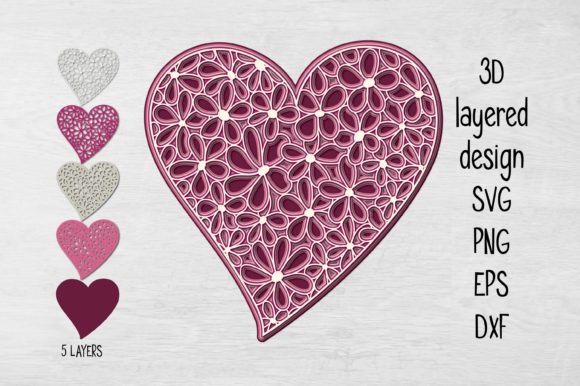
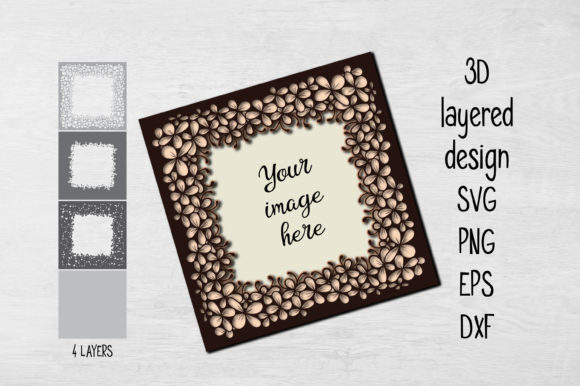
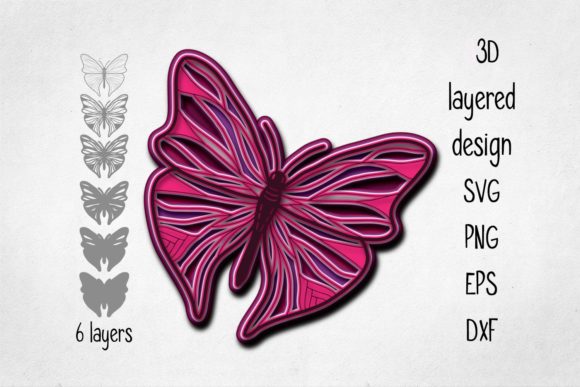
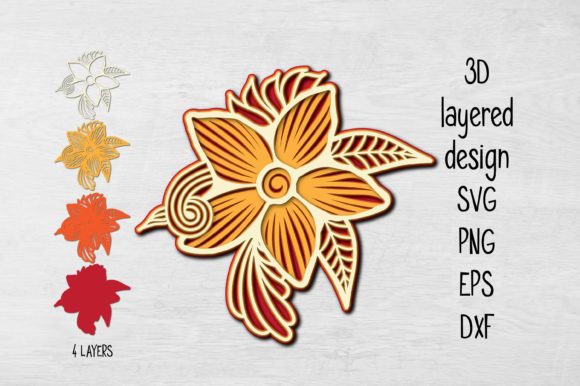
The core concept behind 3D multilayer design lies in its structural ingenuity. Rather than relying on a single plane, these designs consist of several layers that are assembled to create a cohesive, three-dimensional form. When applied to floral motifs, the result is a botanical representation that feels alive and organic, yet possesses the precision of engineered art. This approach aligns seamlessly with current interior design trends that favor texture and sculptural forms over minimalist flatness.
For homeowners and interior designers, the implications are significant. The ability to customize the number of layers allows for a spectrum of visual density. You might choose to utilize all available layers to create a lush, garden-like effect suitable for a focal wall, or you might select only two or three layers to achieve a subtle, contemporary accent. This flexibility addresses the evolving consumer need for personalized spaces that reflect individual taste without requiring a complete renovation. Whether installed as permanent wall decor or used as temporary home decor accents, these designs offer a high-impact aesthetic solution that adapts to various spatial constraints.
Material Versatility and Production Innovation
One of the most compelling aspects of 3D Multilayer Floral Design is its material agnosticism. While traditional paper crafts have their place, the scalability of this design makes it equally viable for industrial-grade materials. Professionals utilizing CNC routers, laser cutters, or waterjet technology can translate these digital files into durable installations using wood, plywood, MDF (Medium Density Fiberboard), plastic, or card stock.
This versatility opens new revenue streams for makers and small business owners. A wooden version of a layered floral piece offers a rustic, organic charm perfect for farmhouse-style interiors, while a high-gloss acrylic rendition provides a sleek, modern look suitable for corporate offices or luxury retail environments. The choice of material directly influences the perceived value and longevity of the product, allowing creators to target different market segments with the same underlying design file.
However, the transition from digital file to physical object requires technical foresight. The design is provided in a comprehensive ZIP folder containing essential formats such as SVG, PNG, EPS, and DXF. These formats ensure compatibility across a wide array of software and hardware ecosystems. It is crucial for users to verify that their specific cutting machines and software suites support one of these file types before commencing production. This step ensures a seamless workflow from design conception to final assembly, minimizing errors and material waste.
Strategic Considerations for Scaling and Precision
As with any scalable vector graphic, resizing is a fundamental capability of 3D multilayer design, but it comes with critical caveats that professionals must respect. The intricate nature of floral patterns often involves fine lines, delicate petals, and thin connecting elements. While increasing the size of the design generally enhances visibility and impact, reducing the dimensions presents a risk of structural failure.
When shrinking the design for smaller projects, such as jewelry boxes, keychains, or miniature ornaments, creators must carefully evaluate the thickness of the thinnest elements. If the scale is reduced too aggressively, these delicate components may become too fragile to hold their shape or may be impossible to cut accurately with standard equipment. Therefore, the decision to resize should always be balanced against the physical properties of the chosen material and the resolution capabilities of the manufacturing tool. This practical constraint underscores the importance of understanding the geometry of the source file before attempting to adapt it for micro-applications.
Market Trends and Consumer Psychology
The growing interest in 3D Multilayer Floral Design is not merely a fleeting trend; it reflects deeper shifts in consumer behavior and lifestyle preferences. In the post-pandemic world, individuals are investing more heavily in their living environments, seeking ways to infuse warmth, nature, and personality into their homes. The biophilic design movement, which emphasizes connections between humans and natural elements, has driven demand for botanical motifs. However, consumers now expect these motifs to go beyond two-dimensional prints.
They crave interaction and depth. A flat picture of a flower is observed; a layered, three-dimensional floral arrangement is experienced. This psychological engagement drives higher perceived value and justifies premium pricing for handmade or custom-made goods. Furthermore, the rise of the "maker economy" has empowered freelancers and entrepreneurs to produce high-quality, niche products that cater to this desire for uniqueness. The ability to mix and match color combinations allows for hyper-personalization, enabling customers to commission pieces that match their exact color palette, a service that mass-market retailers cannot easily provide.
Applications Beyond Home Decor
While home and wall decor remain primary use cases, the utility of this design extends far beyond residential spaces. Entrepreneurs can pivot this asset into diverse product lines, including event styling, corporate branding, and bespoke gifting. For instance, large-scale layered floral installations can serve as stunning backdrops for weddings, photo booths, or trade show displays, creating memorable visual anchors that draw attention.
In the realm of gifting, the personalization aspect shines. A custom-colored, multi-layered floral piece serves as a sophisticated gift for friends and loved ones, symbolizing thoughtfulness and artistic effort. The option to vary the layer count means the giver can tailor the gift's grandeur to the occasion, ensuring the presentation matches the sentiment. Whether it is a vibrant, full-layered bouquet for a housewarming or a subtle, monochromatic set for a graduation, the design adapts to the narrative of the moment.
Technical Workflow and Compatibility
To fully capitalize on the potential of 3D multilayer design, creators must establish a robust technical workflow. The inclusion of multiple file formats within the delivery package is a strategic advantage. SVG files are ideal for web-to-print workflows and vector-based editing, while EPS ensures compatibility with professional desktop publishing software. DXF is the industry standard for CAD systems and industrial cutting machines, facilitating precise manufacturing. PNG files provide rasterized previews for quick visualization and social media marketing.
Ensuring machine compatibility is the first step in this process. Before purchasing materials, creators should test the file on their specific hardware to confirm that the layer separation and line weights are interpreted correctly. This proactive approach prevents costly mistakes and ensures that the final output matches the designer's vision. As technology continues to advance, the integration of these digital assets with automated manufacturing processes will only become more seamless, further lowering the barrier to entry for high-quality production.
Conclusion: Embracing Dimensional Creativity
The adoption of 3D Multilayer Floral Design represents a convergence of artistic expression and technological capability. It empowers professionals and enthusiasts alike to break free from the limitations of the flat plane, offering a medium that is as versatile as it is beautiful. By understanding the nuances of material selection, scaling limitations, and file compatibility, creators can unlock a world of possibilities in decor, gifting, and commercial applications.
As we move forward, the demand for textured, interactive, and personalized design solutions will continue to grow. Those who master the art of assembling these layers—whether using wood, plastic, or paper—will find themselves at the forefront of a creative revolution. The design is ready; the tools are accessible; the only variable left is your imagination. By leveraging this resource, you are not just creating an object; you are crafting an experience that resonates with the modern desire for depth, beauty, and connection.